Practical advice from our experience on the ground
When sourcing industrial components and equipment from China, a competitive price is only part of the equation. Products must meet your technical requirements, perform as intended and deliver consistent quality from one order to the next.
Even a supplier acting in good faith can deliver products that fall short. Misunderstood specifications, changes in materials or gaps in production controls can all affect the result. Clear requirements and carefully planned inspections help identify problems before goods leave the factory, while there is still an opportunity to resolve them.
Four Quality Risks to Watch For
Changes in materials or production quality
A successful first shipment does not guarantee that every subsequent order will meet the same standard. A change in material, component or production process can affect performance without visibly changing the product.
In one project we managed, a client ordered industrial stainless steel valves, but the supplier substituted a cheaper alloy that compromised their durability. Independent laboratory testing identified the substitution before shipment.
Specify the required material grade and agree in advance that changes to materials, components or production processes require written approval. Where material composition is critical to performance, the inspection plan should include appropriate testing.
Production outsourced without adequate oversight
Subcontracting is not necessarily a problem.
The risk arises when work is moved without the buyer’s knowledge, or when the agreed requirements and quality controls are not maintained at the actual production site.
Establish who will manufacture the product, where critical processes will take place and which operations will be subcontracted.
Depending on the product and its intended use, agree on which changes require notification or approval and how quality will be checked at subcontractors’ facilities.
Differences in colour, finish or appearance
Descriptions such as “dark red” or “smooth finish” leave room for interpretation. In one case we handled, a supplier used a bright red finish when the client expected a more muted shade.
Include appearance requirements in the specification: colour, texture, coating and finish. Where possible, use an agreed colour code and an approved physical sample, and define what variation is acceptable.
Unclear expectations and supplier responsibilities
Even a well-specified product can run into problems if responsibility for resolving defects, approving changes or carrying out repairs is unclear.
A stable commercial relationship and open communication can help, but they need to be supported by practical agreements. Identify the people responsible, set response times and agree on how nonconforming products and reinspection will be handled. If further orders are genuinely planned, share that outlook with the supplier so both sides can plan accordingly.
Planning an Effective Quality Inspection
What Should Your Inspection Checklist Include?
What Happens When a Product Fails Inspection?
Before inspection begins, agree on how products that do not meet requirements will be handled. Define which deviations require corrective work or a shipment hold, who has authority to accept a deviation and when reinspection is necessary.
When a problem is found, document it against the agreed requirement. Confirm the corrective action and deadline with the supplier, then verify that the work has been completed. Any decision to accept a deviation should be explicit and documented.
The inspection report should support a clear decision: release the shipment, require corrective work and reinspection, or hold the goods until the issue is resolved.
Choosing a Quality Inspection Partner
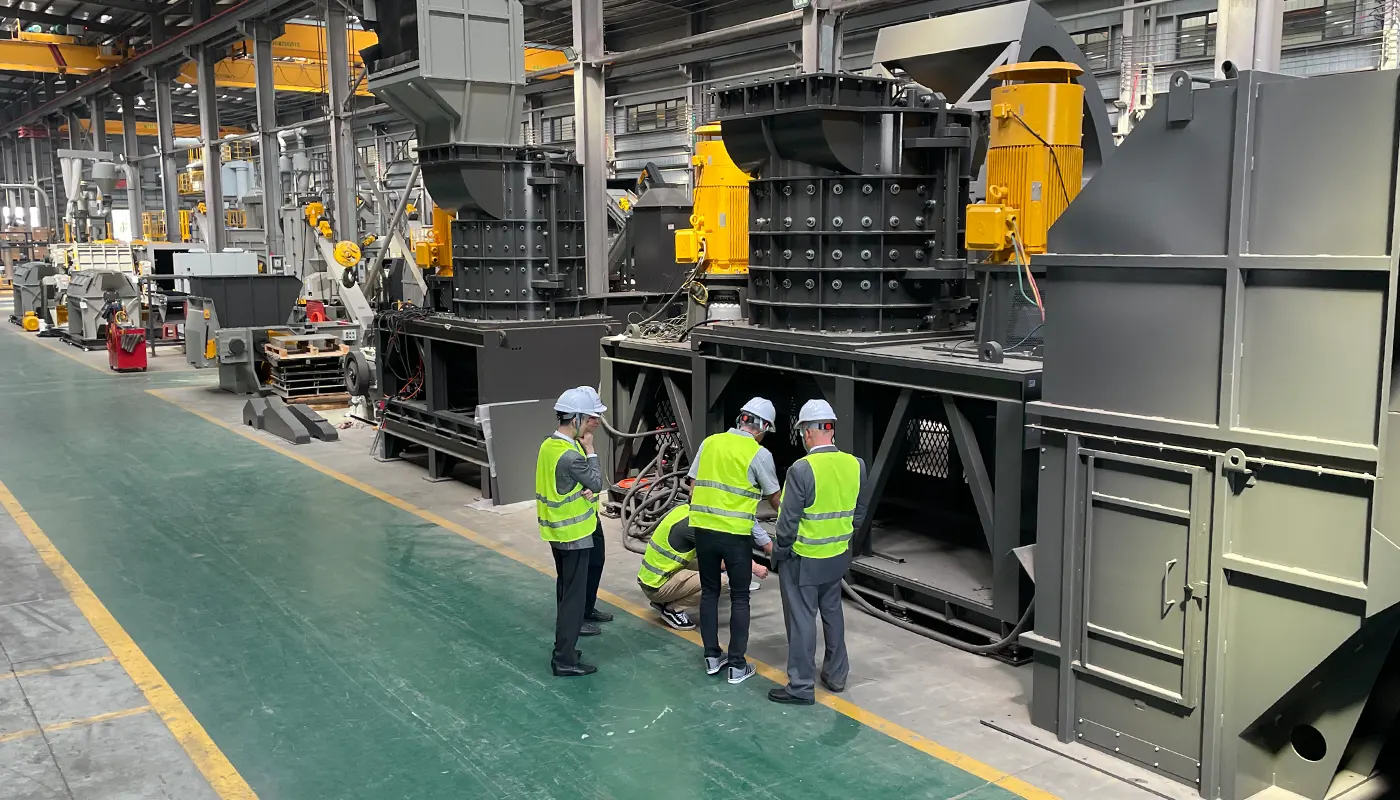
Industrial Procurement in China with Sinergy
Sinergy helps industrial companies manage procurement in China, from supplier sourcing and negotiations to quality inspections and delivery coordination.
Our local presence and manufacturing management experience help us translate each client’s requirements into practical action at the factory.
Planning an order with a supplier in China? Talk to us about defining your requirements and arranging the right inspections before shipment.